
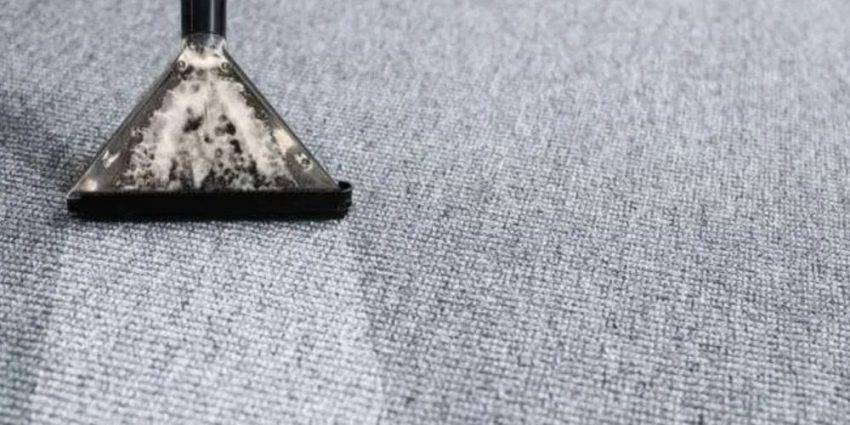
Carpets in your workplace – be it your office or your store – wear down in no time as these are high-traffic areas of your workspace. Dust, soil, and accidental spills can allow germs to settle deep within the carpet’s weave.
To that end, having a good commercial carpet cleaning company on standby is always a good call. They not only help your space stay clean and fresh, but they also help result in longer carpet life. Before you click the first ad for a “carpet cleaner near you,” use the dos and don’ts below to set up a smart maintenance plan.
Why Your Business Needs a Carpet Cleaning Plan
A clear schedule and the right tools protect that investment and support a healthy workplace.
- Traffic load is high: Hundreds of shoes grind abrasive dirt into fibers every day.
- Spills turn into stains fast: Busy staff may not notice a splash until it sets.
- Health matters: Dust, pollen, and bacteria hide where a casual vacuum pass can’t reach.
- A carpet is an investment: Replacing glued-down tiles or broadloom in a big space can eat up next year’s budget.
Also read: How Often Should You Clean Your Office Carpets
The Do’s of Commercial Carpet Cleaning

1. Vacuum on a schedule
Daily vacuuming is the single best habit in business commercial cleaning. Use a commercial-grade machine with a high-efficiency filter. Move slowly and overlap passes. Focus extra time on entry zones and elevators.
2. Treat spots right away
You can address small spills immediately. It also simplifies the process if you choose to engage a professional to assist you. To perform minor repairs, always have a small kit with white towels, a light carpet detergent, and a can of water. Apply cleaner, blot spills (do not rub), repeat as needed, then rinse.
3. Use walk-off mats
Mats at every entrance catch dirt and moisture before they hit the carpet. Clean or swap these mats weekly; a filthy mat only spreads more soil.
4. Rotate interim cleaning
Encapsulation or low-moisture bonnet cleaning, performed every four to eight weeks, lifts surface film and keeps colors bright. These methods dry in about an hour, so they suit busy hallways and lobbies.
5. Schedule hot-water extraction
Deep extraction (also known as steam cleaning) is used to get out embedded grit and allergens. It should be done twice a year, depending on traffic at most sites. Track dates on a calendar to ensure no zones are missed.
6. Hire a professional carpet cleaning business for deep work
Certified crews use professional-grade equipment, industry-approved cleaning solutions, and full insurance coverage. If you’re searching for professional commercial carpet cleaners, they can also handle after-hours work so your team stays productive.
7. Inspect and document
Walk each floor monthly with a simple checklist. Note traffic lanes that look dull, edges with dark soil, or areas with a musty smell. Share this log with your cleaning vendor to target trouble spots early.
The Don’ts of Commercial Carpet Cleaning
1. Don’t ignore small spills
A two-inch coffee drop can spread under the surface pad and wick back up later as a six-inch stain. Quick blotting stops that process.
2. Don’t over-wet the carpet
Too much water pushes soil deeper and can loosen the backing. It also increases dry time, increasing the risk of mildew and slip hazards. Follow the manufacturer’s guidelines for spray volume and vacuum passes.
3. Don’t overload with detergent
Extra soap leaves sticky residue that grabs new dirt. Measure solutions carefully and rinse as recommended.
4. Don’t skip vacuuming before wet cleaning
First, vacuum the dry carpet to remove all dust particles before cleaning it with water. In this way, you will not make a muddy mess.
5. Don’t use the wrong spotter
High-pH cleaners (and Bleach) may remove dye or damage fibers. First, put the remover of test spots in a notably hidden place, and read the label.
6. Don’t wait until carpets look dirty
By the time a traffic lane turns gray, fiber damage has started. Stick to the calendar even if the carpet still “looks fine.”
7. Don’t overlook ventilation
After deep cleaning, run fans and HVAC to speed drying. Stagnant air slows evaporation and invites mold.
Benefits of Professional Commercial Carpet Cleaning
Hiring qualified carpet cleaning services costs money, yet it often saves more in the long run.
| Benefit | Impact on Business |
| Deeper soil removal | Extends carpet life by reducing fiber wear. |
| Better indoor air | Lowers dust and allergen levels; staff breathe easier. |
| Faster drying | Truck-mounted vacuums extract more water, allowing areas to reopen sooner. |
| Trained spotting | Pros know how to tackle coffee, ink, and oil without damage. |
| Regular reporting | You receive service logs that support warranty claims and audits. |
Setting Up a Practical Carpet Cleaning Plan
- Map traffic levels. Divide carpeted areas into low, medium, and high use.
- Assign tasks. In-house staff handle daily vacuuming and spot care; pros handle interim and deep cleaning.
- Choose methods. Use encapsulation for surface refresh, hot-water extraction for full soil removal.
- Track results. Keep photos and notes to compare before and after each service cycle.
- Review annually. Adjust frequency when staff counts or open hours change.
Final Word
Clean carpets should not be a huge ask. They, in a way, affect your health, promote your brand, and save you replacement expenses. These dos and don’ts will help you achieve a clean, fresh carpet in your workspace.
In case you need to hire a professional who is credible and knowledgeable in commercial carpet cleaning in your neighborhood, then Moonshine Commercial Cleaning is the company to contact. We have certified staff who offer the service of vacuum cleaning, spot care, interim cleaning, and deep extraction at your convenience.
Also read: A Deep Dive into Commercial Carpet Cleaning: What You Need to Know
Common Questions About Commercial Carpet Cleaning
Q: Will frequent cleaning wear out the carpet?
A: No. Removing abrasive dirt protects fibers. Damage comes from grit, not cleaning.
Q: How long before we can walk on a freshly cleaned area?
A: Light traffic is fine after six hours, sooner if fans run and the humidity is low. Use floor signs until the pile feels dry.
Q: Can all stains be removed?
A: Many can. Success depends on the spill type, age, and previous attempts. Prompt treatment improves odds.
