

Winter can make it surprisingly difficult to keep commercial floors clean. Snow, slush, rain, road salt, and sand are tracked inside throughout the day, leaving floors dirty even when a business follows a regular cleaning schedule. Entrances become wet, salt leaves white marks on hard surfaces, and carpets collect moisture and grit from shoes.
For businesses in Idaho, where winter conditions can bring snow, freezing temperatures, and icy walkways, these problems can become especially noticeable. Without the right maintenance routine, repeated exposure to moisture and abrasive dirt can affect floor appearance, contribute to surface wear, and increase slip hazards.
The challenge is not simply removing visible dirt. Different flooring materials respond differently to moisture, salt, and cleaning products, so using the wrong cleaning method can create additional problems.
Understanding how winter weather affects commercial floors helps business owners and facility managers choose appropriate cleaning methods, prevent avoidable damage, and maintain a cleaner, safer workplace.
How Winter Weather Affects Commercial Floors
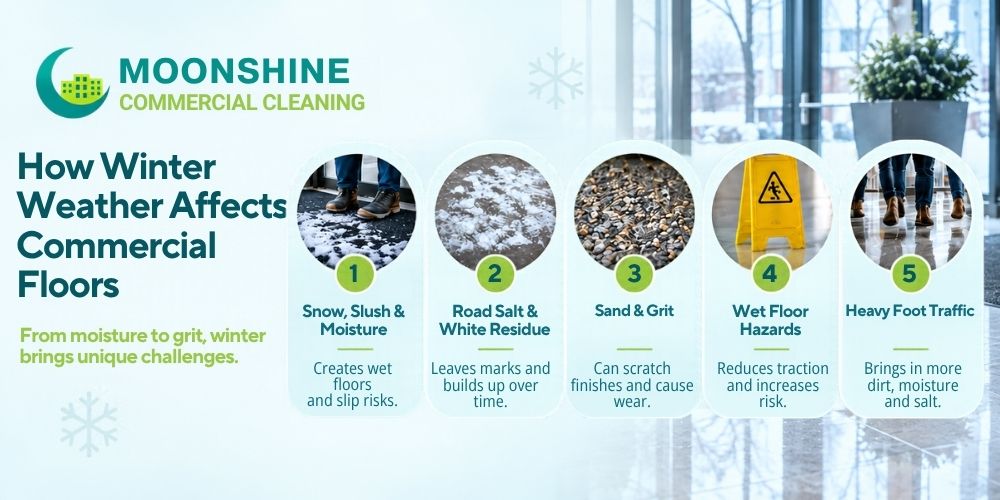
Winter conditions introduce several types of contaminants into commercial buildings. Each can affect flooring differently, which is why an effective winter floor care routine should address more than everyday dust and dirt.
1. Snow, Slush, and Rain Leave Excess Moisture
When employees, customers, and visitors enter a building with wet footwear, they bring snow, slush, and rainwater onto the floor. As the moisture spreads, it can reach reception areas, hallways, elevators, and other high-traffic spaces.
On hard floors, standing water can create slippery conditions. On carpets, repeated moisture exposure can contribute to staining, lingering dampness, and unpleasant odors if the carpet does not dry properly.
Moisture can also affect certain flooring materials, particularly wood and products with vulnerable seams or joints, when water is allowed to remain on the surface or penetrate the material.
How to manage winter moisture:
- Place suitable entrance mats at building entrances to capture water and dirt.
- Inspect mats throughout the day and clean or replace them when saturated.
- Remove standing water promptly using equipment suitable for the flooring.
- Clean frequently used walkways whenever visible moisture accumulates.
- Ensure the floor dries safely before allowing normal foot traffic to resume.
These steps help prevent water from spreading throughout the building and make daily floor maintenance more manageable.
2. Road Salt Leaves White Marks and Residue
Road salt and ice-melting products are useful for managing outdoor ice, but they can create noticeable problems when carried indoors on shoes and boots.
As the moisture from footwear evaporates, salt and other mineral residues can remain on the floor. These deposits may appear as white streaks, cloudy patches, or a chalky film, particularly around entrances and frequently used walkways.
Ordinary mopping may not always remove the residue completely. In some cases, using the wrong cleaner can leave additional film or affect the floor’s finish.
How to remove salt residue from commercial floors:
- Remove loose salt, sand, and dirt using a suitable dust mop or vacuum.
- Identify the flooring material and check whether the residue requires a specialized cleaner.
- Use a compatible cleaning product according to its label instructions.
- Clean the affected area with an appropriate mop or floor-cleaning machine.
- Rinse the surface if required by the product and flooring manufacturer’s instructions.
- Remove excess moisture and allow the floor to dry completely.
Avoid assuming that stronger chemicals will produce better results. Some flooring materials, sealants, and finishes can be damaged by unsuitable products.
If salt marks continue to return, review the entrance matting system, cleaning frequency, and cleaning solution before repeating the same process.
3. Sand and Grit Can Scratch Floor Finishes
Winter weather often brings sand, grit, and small particles into commercial buildings. These particles can become trapped under footwear and dragged across the floor with every step.
Over time, repeated abrasion can create fine scratches, dull protective finishes, and make hard floors appear worn. The damage may be especially visible in entranceways, corridors, retail spaces, and other areas with heavy pedestrian traffic.
Carpets can also collect grit deep within their fibers, where ordinary surface cleaning may not remove everything.
How to reduce winter-related floor wear:
- Sweep or dust-mop hard floors regularly.
- Vacuum carpets and entrance mats frequently.
- Remove dry debris before wet-mopping.
- Use effective walk-off mats to capture dirt before it spreads.
- Pay extra attention to heavily used paths and entrances.
Removing abrasive particles before wet cleaning is particularly important. Otherwise, mopping may move the grit across the floor rather than remove it completely.
4. Wet Floors Can Create Slip Hazards
Moisture from melting snow, rainwater, and wet footwear can reduce traction on some commercial flooring surfaces. This creates a potential safety concern for employees, customers, and visitors.
Entrances, elevators, stairway approaches, and transitions between flooring materials deserve particular attention because water and dirt often accumulate in these areas.
Keeping a floor visually clean is not enough if moisture remains on the surface.
Practical winter floor safety measures include:
- Checking entrances and walkways throughout the day.
- Removing standing water as soon as it is safe to do so.
- Keeping entrance mats secure, flat, and free from curled edges.
- Placing appropriate warning signs around wet areas.
- Restricting access to areas that are not yet safe to walk on.
- Following suitable drying procedures before reopening cleaned areas.
Cleaning products and floor finishes should also be selected carefully. A shiny floor is not necessarily a slip-resistant floor, and applying an unsuitable finish may create additional maintenance or safety concerns.
5. Heavy Winter Foot Traffic Increases Cleaning Demands
During winter, commercial floors can become dirty again shortly after cleaning. Every person entering the building may bring in additional moisture, salt, and grit.
This repeated contamination can make it difficult to maintain a consistent appearance using a single daily cleaning session. Dirt may accumulate along edges, carpets may develop visible traffic lanes, and hard-floor finishes may become dull in frequently used areas.
The solution is to adjust cleaning frequency according to actual conditions.
For example, a busy office lobby may need several inspections and spot-cleaning sessions during a snowy day, while a low-traffic storage area may require less frequent attention.
A flexible cleaning schedule helps businesses respond to changing weather without unnecessarily increasing cleaning across every part of the building.
7 Practical Winter Floor Cleaning Tips for Businesses
Understanding winter floor problems is only the first step. Businesses also need a routine that controls dirt and moisture before they spread through the building.
The following practices can help maintain commercial floors throughout the season.
1. Create an Effective Entrance Matting System
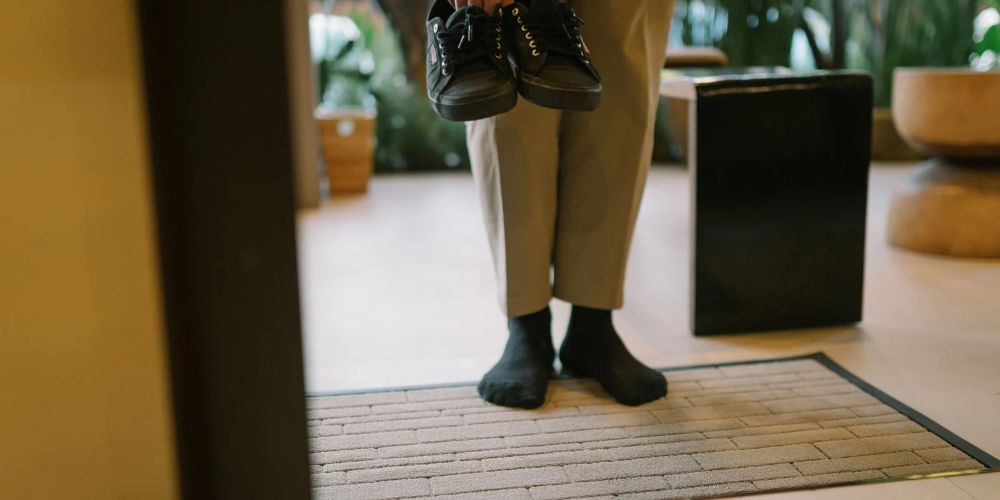
Entrance mats help capture dirt and absorb some of the moisture carried indoors. A suitable setup may include an outdoor scraper mat and an absorbent interior mat, depending on the entrance layout and expected traffic.
Choose mats that are large enough for the entrance, appropriate for the weather, and secure underfoot. Clean them regularly so they continue to collect debris rather than become another source of contamination.
2. Increase Cleaning Frequency During Snowy or Rainy Weather
A routine that works during dry weather may not be enough during a snowstorm or a prolonged period of rain.
Inspect entrances, lobbies, and walkways more frequently when conditions are wet. Remove visible moisture and debris before they spread into adjoining areas.
Prioritize spaces where employees, customers, and visitors walk most often.
3. Remove Dry Debris Before Mopping
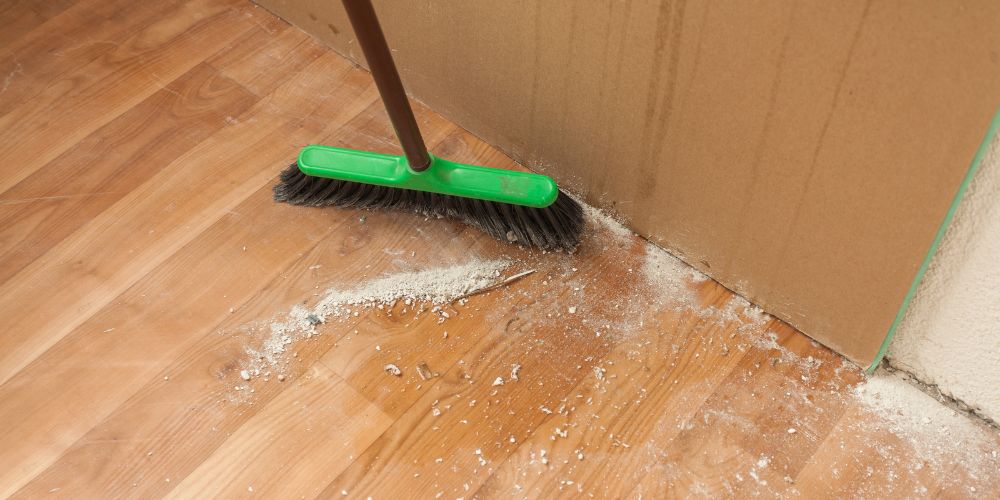
Sweeping, dust-mopping, and vacuuming help remove grit before it is dragged across the floor during wet cleaning.
This simple step can reduce abrasion and improve the effectiveness of subsequent cleaning. It also prevents loose debris from mixing with cleaning water and spreading across the surface.
4. Use Floor-Specific Cleaning Products
Not every floor cleaner is appropriate for every material. The correct product depends on the flooring, existing finish, and type of residue.
Before using a cleaner, check its compatibility, dilution instructions, and any requirements for rinsing or drying.
For persistent salt residue, a suitable specialized cleaner may be more effective than repeatedly applying an ordinary floor cleaner. Never mix cleaning chemicals unless the product instructions explicitly allow it.
5. Keep Cleaning Equipment in Good Condition
Dirty mops, contaminated water, and poorly maintained equipment can spread soil rather than remove it.
Use suitable equipment for the flooring and contamination, change cleaning water when necessary, and clean tools after use. Larger facilities may benefit from compatible automatic floor scrubbers or other commercial equipment designed for their floor type.
6. Schedule Periodic Deep Cleaning
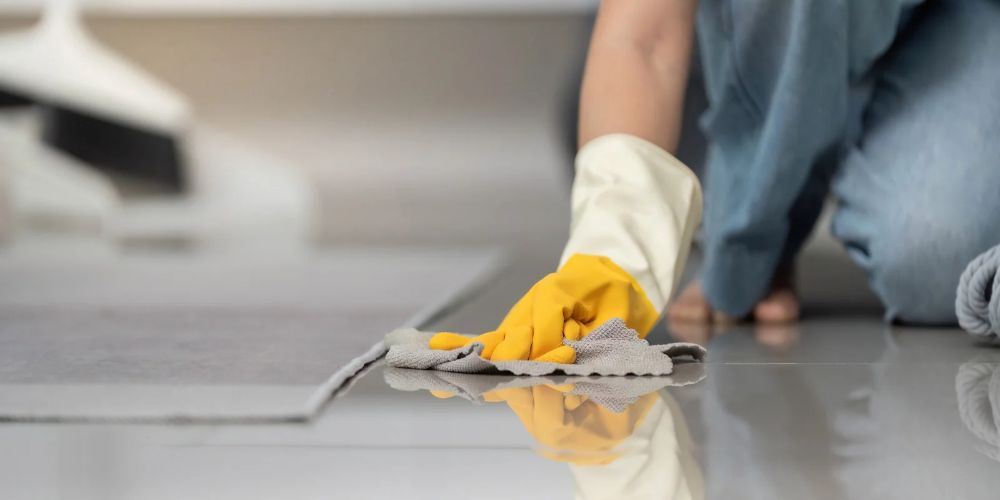
Daily maintenance removes surface contamination, but some dirt can remain embedded in carpet fibers, accumulate in grout lines, or build up on heavily used hard floors.
Periodic deep cleaning can address this buildup when routine methods are no longer sufficient.
Depending on the material and condition, the appropriate service may include machine scrubbing, commercial carpet cleaning, tile and grout cleaning, or maintenance of a suitable floor finish.
The schedule should reflect actual traffic, soil levels, and manufacturer recommendations rather than a fixed timetable for every building.
7. Inspect Floors for Early Signs of Damage
Regular inspections help businesses identify problems before they become more difficult to manage.
Look for recurring salt marks, persistent dampness, stained carpets, dull finishes, damaged mats, and changes in the flooring surface.
If the same problem returns repeatedly, investigate its cause. The building may need more effective matting, a different cleaning product, a revised maintenance schedule, or professional attention.
How Often Should Commercial Floors Be Cleaned During Winter?
There is no single cleaning schedule that suits every commercial facility. The right frequency depends on foot traffic, flooring material, weather conditions, business activity, and the amount of dirt entering the building.
A busy office lobby may require several checks throughout a wet day, while a low-traffic office area may need less frequent spot cleaning.
The following table provides a practical starting point.
| Commercial area | Recommended winter maintenance |
| Main entrances | Inspect frequently and remove moisture and debris as needed |
| Reception and lobby floors | Clean daily and spot-clean when contamination appears |
| Hallways and corridors | Sweep, vacuum, or mop according to traffic and soil levels |
| Carpeted entrances | Vacuum frequently and treat wet spots promptly |
| Restrooms and breakrooms | Follow the facility’s hygiene requirements and usage levels |
| Retail and customer-facing areas | Increase cleaning frequency during busy or wet periods |
| Large hard-floor areas | Maintain regularly and use machine cleaning when appropriate |
| Low-traffic areas | Follow a consistent schedule and adjust as conditions change |
These are general guidelines rather than fixed requirements. Businesses should adjust their routines according to actual conditions and the needs of their facilities.
When Should Businesses Consider Professional Commercial Floor Cleaning?
Routine cleaning is essential, but it may not be enough when winter contamination becomes difficult to remove or floors require specialized maintenance.
Professional cleaning may be worth considering when:
- White salt residue keeps returning after routine cleaning.
- Hard floors look dull or show substantial buildup.
- Grout lines remain dirty despite regular mopping.
- Carpets have persistent stains or embedded soil.
- A large facility needs a consistent maintenance schedule.
- Flooring requires specialized equipment or a material-specific cleaning method.
Professional cleaning should begin with an assessment of the flooring material, finish, condition, and type of contamination. This helps determine whether routine cleaning, machine scrubbing, carpet deep cleaning, or another treatment is appropriate.
For a more detailed comparison of cleaning methods, see Moonshine’s guide to commercial floor cleaning for different flooring types.
The key is to address winter soil before repeated contamination and inappropriate cleaning methods compromise the appearance or condition of the floor.
Keep Your Commercial Floors Clean This Winter with Moonshine Commercial Cleaning
Winter floor maintenance requires more than occasional mopping. Snow, moisture, road salt, and abrasive dirt can return throughout the day, making consistent cleaning and the right maintenance approach essential for commercial properties.
By using effective entrance mats, removing debris promptly, choosing cleaning products suited to the flooring, and adjusting cleaning frequency during wet weather, businesses can keep their floors cleaner and better maintained throughout winter.
When routine cleaning is no longer enough, Moonshine Commercial Cleaning offers professional commercial floor cleaning services in Idaho Falls and surrounding areas to help businesses maintain clean, presentable, and well-maintained floors. Depending on the facility and flooring requirements, services include routine and deep floor cleaning, tile and grout cleaning, floor stripping and refinishing, polishing, and waxing.
If winter weather has left your floors looking dull, stained, or difficult to maintain, explore our commercial floor cleaning services in Idaho Falls to learn more about available floor care solutions.
Contact Moonshine Commercial Cleaning to discuss your facility’s cleaning needs and request a quote. With a suitable maintenance plan, your business can keep its floors cleaner, safer, and more welcoming throughout the winter season.
Frequently Asked Questions
1. How does winter weather damage commercial floors?
Winter weather brings moisture, salt, sand, and grit into commercial buildings. Moisture can create slippery conditions, salt can leave visible residue, and abrasive particles can scratch floor finishes. Consistent cleaning and preventative maintenance help manage these problems.
2. What is the best way to remove salt residue from commercial floors?
Remove loose debris first, then use a cleaning product suitable for both the residue and the flooring material. Follow the product instructions and flooring manufacturer’s recommendations, including any rinsing and drying requirements. Persistent deposits may require specialized treatment.
3. How can businesses prevent slippery floors during winter?
Use appropriate entrance mats, inspect high-traffic areas frequently, remove standing water promptly, and use wet-floor signs when needed. Keep mats secure and allow cleaned surfaces to dry safely before normal foot traffic resumes.
4. How often should commercial floors be cleaned during winter?
High-traffic entrances and lobbies may need several inspections and spot-cleaning sessions during wet weather. Other areas may require daily or less frequent maintenance depending on their use, flooring material, and level of contamination.
5. Can road salt damage commercial flooring?
Salt residue and the grit carried indoors with it can affect floor appearance and contribute to wear. The degree of risk depends on the flooring material, finish, exposure, and cleaning practices. Prompt removal using compatible products helps reduce these problems.
6. When should a business hire professional floor cleaning services?
Professional cleaning may be useful when salt residue persists, floors develop substantial buildup, carpets contain embedded soil, or specialized equipment is needed. A qualified cleaning provider can assess the flooring and recommend an appropriate maintenance approach.
