
Maintaining a clean restaurant is not always easy, especially during busy service hours when dining tables, floors, restrooms, and entrances are constantly in use. Food spills, grease, tracked-in dirt, and frequently touched surfaces can quickly affect the condition of your facility if they are not addressed consistently.
For restaurant owners and managers, effective cleaning involves more than completing a few tasks at the end of each shift. It requires a practical routine that accounts for customer traffic, different surface materials, restroom usage, and ongoing facility maintenance.
The right restaurant cleaning practices help keep customer-facing areas presentable, address everyday dirt and buildup, and maintain a more comfortable environment for employees and guests. Here are five essential restaurant cleaning tips to help you organize your cleaning routine and maintain your facility more effectively.
5 Essential Restaurant Cleaning Tips for a Cleaner Dining Environment
Restaurant cleaning involves more than wiping down tables after customers leave. Different areas experience different types of use, dirt, and buildup, so each requires appropriate attention throughout the day.
The following five practices focus on the areas restaurant owners and managers should prioritize to maintain a cleaner, more welcoming dining environment.
1. Keep Dining Tables, Seating and High-Touch Surfaces Clean
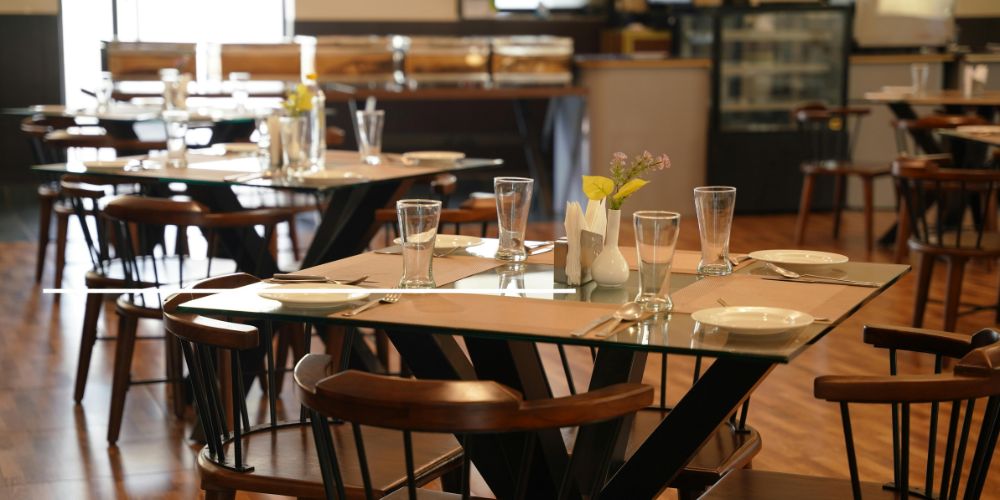
Dining tables and seating are among the first areas customers interact with when visiting a restaurant. Crumbs, food spills, fingerprints, and sticky surfaces can quickly make a dining area look neglected, especially during busy service hours.
Regular attention to these surfaces helps maintain a comfortable and presentable space for guests.
Restaurant staff should pay attention to:
- Dining tables and countertops: Remove food residue, crumbs, and spills between customer uses using products suitable for the surface.
- Chairs and seating areas: Wipe down seats, armrests, and other surfaces where food particles and dirt can accumulate.
- Door handles and touchpoints: Clean frequently handled surfaces, including entrance handles, payment terminals, and shared touchpoints.
- Menus and shared items: Follow appropriate cleaning instructions for reusable items that customers handle.
- Dining area surfaces: Check table edges, furniture corners, and surrounding areas for food particles and visible dirt.
Cleaning and sanitizing should not be treated as interchangeable steps. Cleaning removes food residue and visible soil, while sanitizing reduces microorganisms on appropriate surfaces. Restaurants should follow applicable food safety requirements, product instructions, and required procedures for food-contact surfaces.
The FDA Food Code provides guidance on food establishment sanitation practices. Restaurant operators should also follow the requirements established by their applicable state and local regulatory authorities.
Keeping customer-facing surfaces clean throughout operating hours helps create a better impression and supports a more organized dining experience.
2. Maintain Restaurant Floors to Prevent Dirt and Grease Buildup
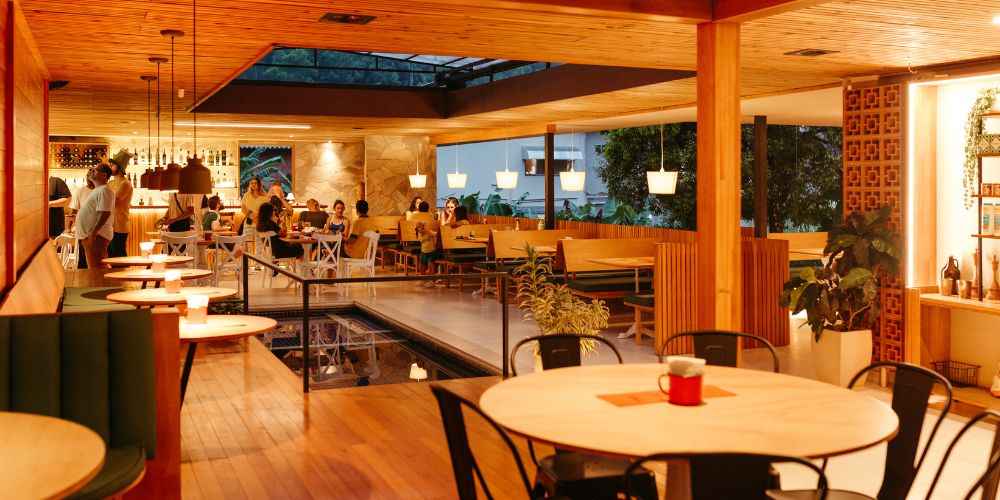
Restaurant floors experience constant activity. Customers, employees, delivery personnel, and suppliers move through the facility throughout the day, bringing in dirt, moisture, food debris, and other contaminants.
Different areas of a restaurant experience different flooring challenges. Dining areas collect crumbs and drink spills, entrances accumulate outdoor dirt and moisture, and service areas may develop grease and residue from everyday operations.
A consistent restaurant floor cleaning routine should include:
- Sweeping or removing loose dirt, crumbs, and debris from floors.
- Cleaning spills promptly using appropriate cleaning methods.
- Mopping hard floors with suitable cleaning solutions.
- Paying extra attention to entrances, corners, and high-traffic walkways.
- Checking tile and grout lines for accumulated dirt.
- Monitoring floor conditions in areas exposed to frequent food and liquid spills.
- Scheduling periodic professional floor cleaning when routine maintenance is no longer sufficient.
The right cleaning approach also depends on the flooring material. Tile, grout, vinyl, concrete, and other commercial flooring surfaces may require different cleaning products and methods.
For example, restaurant floors exposed to frequent spills may develop residue even when they are mopped regularly. Managers should monitor these areas and adjust cleaning methods according to the flooring material and its condition.
Using unsuitable chemicals or excessive moisture can damage certain flooring materials. Restaurant managers should select cleaning methods according to manufacturer recommendations and the condition of the surface.
For larger facilities or floors with recurring dirt buildup, professional commercial floor cleaning services can help maintain the appearance and condition of commercial flooring.
Clean, properly maintained floors also contribute to a more professional dining environment and help businesses address potential slip hazards.
3. Keep Restrooms and Handwashing Areas Consistently Clean
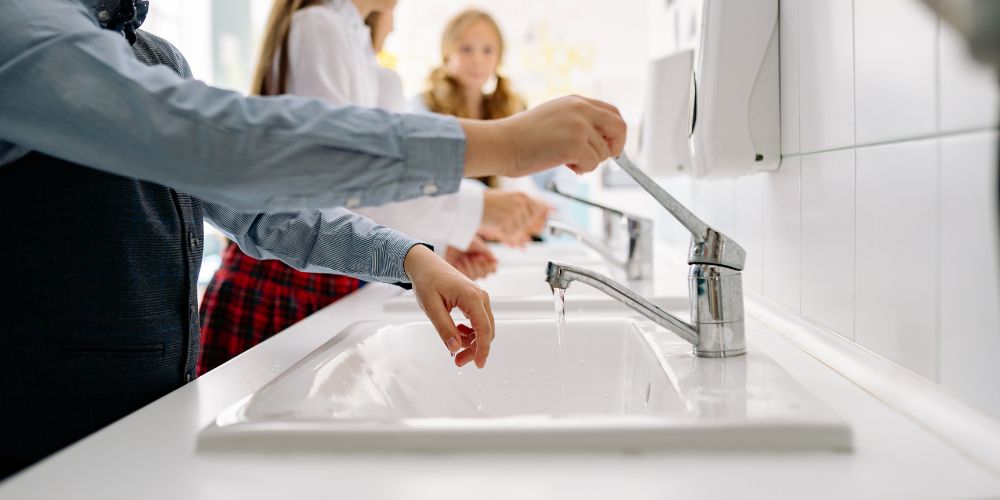
Restaurant restrooms deserve the same attention as dining areas. Customers often judge the overall cleanliness of an establishment by the condition of its restrooms, sinks, and handwashing facilities.
A restroom with unpleasant odors, dirty fixtures, wet floors, or empty soap dispensers can quickly affect the customer’s experience.
To maintain presentable restroom facilities, restaurants should:
- Clean and maintain toilets, sinks, faucets, and surrounding surfaces.
- Wipe mirrors and remove visible water spots and fingerprints.
- Clean floors and address moisture or spills promptly.
- Check soap dispensers, paper towels, and other essential supplies.
- Empty waste bins regularly and maintain clean disposal areas.
- Give additional attention to frequently touched surfaces, including door handles and faucet controls.
- Check for unpleasant odors and address their underlying causes.
Handwashing areas should remain accessible and properly stocked throughout operating hours.
One practical way to maintain restroom cleanliness is to establish scheduled inspections. Restaurant managers can assign staff to check fixture cleanliness, floor conditions, waste bins, odors, and essential supplies at appropriate intervals.
Cleaning frequency should reflect restroom usage. A busy restaurant with high customer traffic may need more frequent attention than a smaller establishment with fewer visitors.
Consistent restroom maintenance helps create a more comfortable experience for guests while supporting the overall upkeep of the facility.
4. Keep Windows, Glass and Restaurant Entrances Presentable
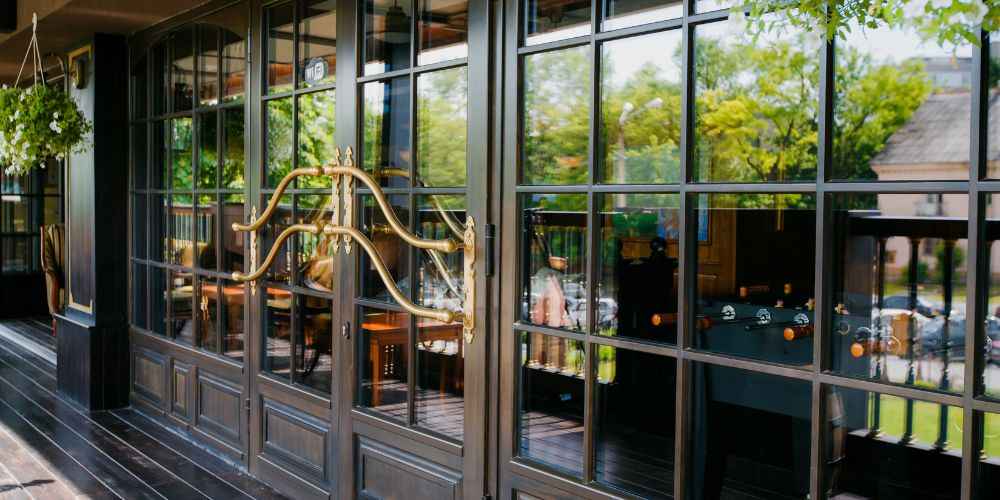
A restaurant’s entrance and windows contribute significantly to its first impression. Customers often notice fingerprints on glass doors, dusty window frames, smudges, and dirt around entrances before they even enter the building.
Clean glass allows more natural light into dining spaces and helps the restaurant look brighter and better maintained.
Include these areas in your regular restaurant cleaning routine:
- Glass doors and windows: Remove fingerprints, smudges, and visible dirt.
- Window frames and sills: Clear away dust and accumulated debris.
- Entrance areas: Keep doorways and surrounding surfaces free from dirt and litter.
- Interior glass partitions: Maintain clean glass surfaces in dining areas and other customer-facing spaces.
- Window coverings: Dust and maintain blinds or other coverings according to their material and cleaning requirements.
Restaurants with large storefront windows or glass entrances may require more frequent attention because of fingerprints, weather exposure, and customer traffic.
It is also important to include window frames and surrounding areas in the cleaning routine. Cleaning only the glass while leaving dusty sills and dirty frames can make the overall entrance look unfinished.
Professional commercial window cleaning can help businesses maintain clear glass surfaces and a more polished exterior appearance.
A well-maintained entrance creates a welcoming first impression and complements the cleanliness of the dining area inside.
5. Establish a Consistent Cleaning Routine for the Entire Restaurant
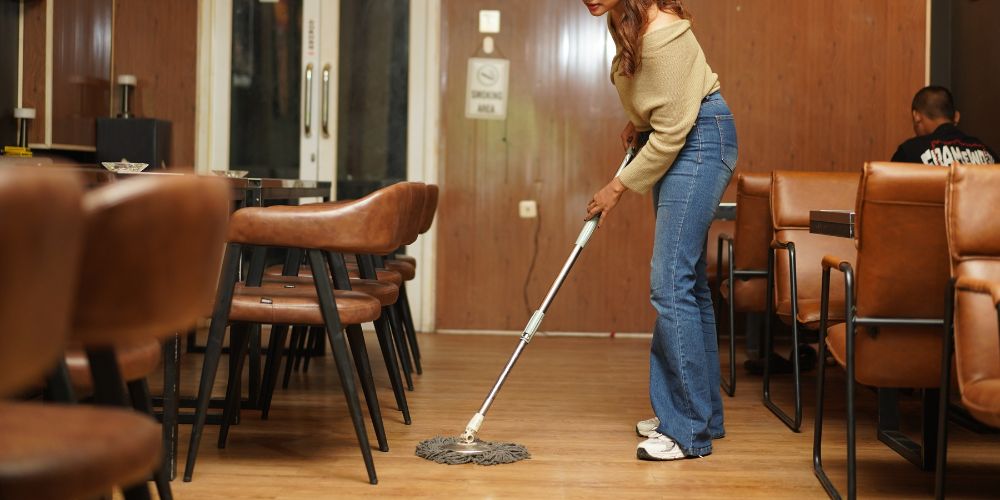
Even when individual areas receive attention, inconsistent cleaning can allow dirt and buildup to return quickly. Restaurant managers need a practical approach that accounts for the facility’s size, customer traffic, operating hours, and maintenance requirements.
Rather than relying on occasional cleaning, establish clear responsibilities for employees and arrange additional professional cleaning when necessary.
A consistent restaurant cleaning routine should consider:
- Cleaning priorities: Identify which areas require attention throughout the day and which need periodic maintenance.
- Staff responsibilities: Make sure employees understand their assigned cleaning duties and the correct procedures for different surfaces.
- Cleaning supplies: Keep appropriate cleaning products, tools, and equipment available and properly stored.
- High-traffic areas: Monitor entrances, dining spaces, restrooms, and walkways for recurring dirt and spills.
- Professional maintenance: Schedule additional cleaning for commercial floors, carpets, windows, and other surfaces that require specialized attention.
The cleaning routine should also distinguish between general facility maintenance and food safety responsibilities. Restaurant employees must follow applicable procedures for food-contact surfaces, kitchen equipment, food preparation areas, and other regulated spaces.
For ongoing maintenance of dining areas, restrooms, floors, and other shared spaces, professional commercial janitorial services can provide additional support.
A cleaning plan that reflects the restaurant’s actual needs helps maintain more consistent results without disrupting normal business operations.
Common Restaurant Cleaning Mistakes That Affect Daily Maintenance
Even restaurants with established cleaning routines can overlook certain areas or use methods that do not address the underlying problem.
Avoiding these common mistakes can help improve everyday facility maintenance.
1. Waiting until closing time to address spills
Food and liquid spills should be addressed promptly. Delayed cleanup can lead to sticky surfaces, stubborn stains, unpleasant odors, and slippery floors.
2. Using the same cleaning method on different flooring materials
Different flooring materials require different maintenance approaches. Using unsuitable cleaning products or excessive moisture can affect floor appearance and surface condition.
3. Overlooking less-accessible areas
Corners, window sills, furniture edges, and areas beneath tables can accumulate dust and debris when they are not included in routine cleaning.
4. Failing to assign clear cleaning responsibilities
When employees are unsure who is responsible for particular cleaning tasks, important areas can be overlooked. Clearly assigned duties help maintain a more organized routine.
5. Treating cleaning and sanitizing as the same process
Cleaning removes dirt and residue, while sanitizing reduces microorganisms on appropriate surfaces. Food-contact surfaces must be handled according to applicable food safety requirements.
Recognizing these issues early helps restaurant managers maintain cleaner facilities and avoid unnecessary buildup.
When Should Restaurants Consider Professional Cleaning Services?
Daily cleaning by restaurant employees is important, but it does not always cover every facility maintenance requirement. Some areas need more thorough attention, particularly when dirt accumulates over time or surfaces become difficult to maintain.
Restaurants may benefit from professional cleaning support when:
- Commercial floors develop recurring dirt, stains, or buildup.
- Tile and grout lines become difficult to maintain through routine cleaning.
- Carpets in dining or waiting areas collect dirt from regular foot traffic.
- Windows and glass surfaces require more thorough cleaning.
- Restrooms and shared spaces need consistent scheduled maintenance.
- The restaurant needs a reliable cleaning arrangement that works around its operating hours.
Professional cleaning can supplement the restaurant’s internal cleaning responsibilities by addressing the facility’s broader maintenance needs.
For example, professional floor maintenance can help address accumulated dirt on commercial flooring, while scheduled carpet and window cleaning can support the upkeep of customer-facing areas.
Frequently Asked Questions About Restaurant Cleaning
1. How often should a restaurant be professionally cleaned?
Professional cleaning frequency depends on the restaurant’s size, customer traffic, flooring, and maintenance requirements. Daily staff cleaning should be supplemented with periodic professional floor, carpet, window, and janitorial maintenance as needed.
2. What areas of a restaurant need the most cleaning attention?
Dining tables, seating, floors, restrooms, entrances, and frequently touched surfaces need consistent attention. Food-contact and food-preparation areas must also follow applicable food safety procedures.
3. What is the difference between cleaning and sanitizing in a restaurant?
Cleaning removes visible dirt, food residue, and other impurities. Sanitizing reduces microorganisms on appropriate surfaces to levels established by applicable requirements. Food-contact surfaces must be treated according to relevant food safety procedures.
4. Why is regular restaurant floor cleaning important?
Regular restaurant floor cleaning removes food debris, dirt, moisture, and residue that accumulate through daily foot traffic. It also helps maintain flooring appearance and address potential slip hazards.
5. Can professional janitorial services help maintain a restaurant?
Yes. Professional janitorial services can supplement daily employee cleaning by providing scheduled maintenance for dining areas, restrooms, floors, and other shared spaces.
6. Does Moonshine Commercial Cleaning provide cleaning services for restaurants?
Moonshine Commercial Cleaning provides commercial janitorial, floor, carpet, and window cleaning services for businesses. Restaurant owners can contact the team to discuss their facility’s cleaning and maintenance requirements.
Maintain a Cleaner, More Welcoming Restaurant with Moonshine Commercial Cleaning
Maintaining a clean restaurant requires consistent attention to dining areas, floors, restrooms, windows, and other frequently used spaces. A well-planned cleaning routine helps restaurant managers address everyday maintenance needs while keeping the facility presentable for customers and employees.
For areas that require additional attention, professional cleaning can provide support beyond routine employee maintenance.
Moonshine Commercial Cleaning provides commercial janitorial, floor, carpet, and window cleaning services for businesses throughout Idaho, including Idaho Falls, Pocatello, Rexburg, Twin Falls, Blackfoot, Rigby, and surrounding areas.
With over 18 years of commercial cleaning experience, Moonshine offers customized cleaning arrangements based on each property’s requirements and maintenance priorities.
If your restaurant needs additional support maintaining its floors, carpets, windows, or shared spaces, explore Moonshine’s commercial cleaning services in Idaho Falls or contact the team to discuss your requirements.
Call (208) 219-5198 to discuss your cleaning needs and request a free consultation and quote.
