
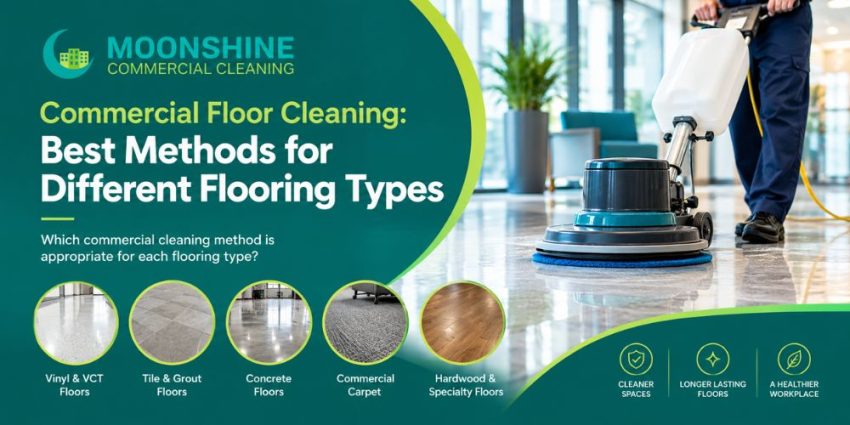
Commercial floors undergo a continuous cycle of foot traffic, dirt, spills, moisture, and general wear and tear. Each type of floor calls for a specific set of cleaning and maintenance procedures. A particular procedure may prove to be incompatible with the material, finish, traffic level, soils present, and overall condition of the floor. Using an inappropriate cleaning method will lead to a failure to remove soil and cause damage to the floor.
To ensure that you will take the proper steps to both clean and maintain your commercial floor, it is helpful to think about the type of material, finish, traffic, soils, and overall condition. The correct floor cleaning method will protect your floor while still being effective in removing the dirt.
The right commercial floor cleaning method depends on the flooring material, surface finish, traffic level, and type of soil. Understanding the differences between cleaning different floor types helps businesses choose appropriate products, equipment, and maintenance routines.
Commercial Floor Cleaning Methods for Different Flooring Types
1. VCT Floors
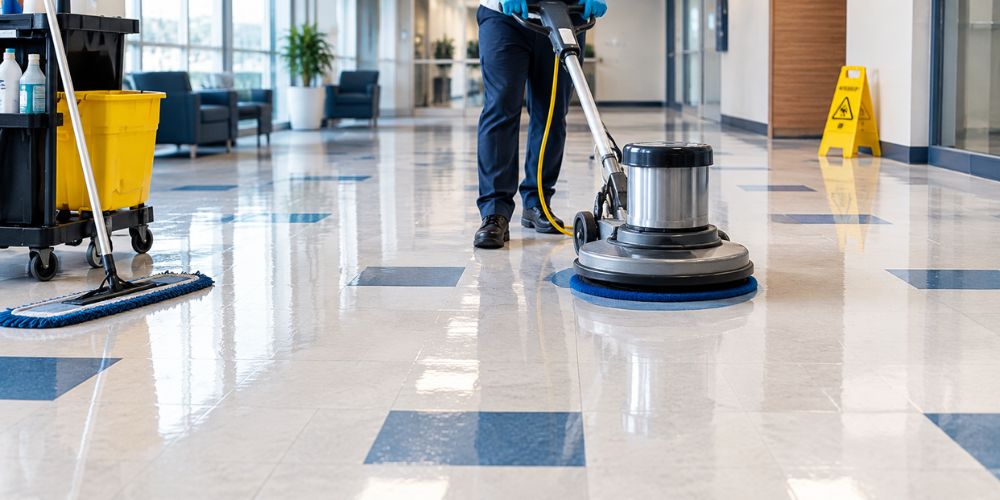
Vinyl composition tile (VCT) is widely used in commercial facilities because it can withstand heavy foot traffic and routine maintenance. However, keeping VCT looking clean involves more than regular mopping.
Best cleaning methods for VCT include:
- Daily dust mopping or vacuuming to remove abrasive dirt
- Damp mopping with a compatible floor cleaner
- Routine machine scrubbing in high-traffic areas
- Buffing or burnishing when appropriate for the existing finish
- Periodic stripping and refinishing when the finish becomes heavily worn
- Wax or finish maintenance when required by the floor-care system
The frequency of each treatment should depend on traffic and the condition of the existing finish. Regularly removing grit and maintaining the finish can help reduce visible wear in busy areas.
What to avoid: Do not apply the same maintenance process used for VCT to every type of vinyl flooring. VCT and factory-finished LVT have different care requirements.
2. LVT and LVP Floors
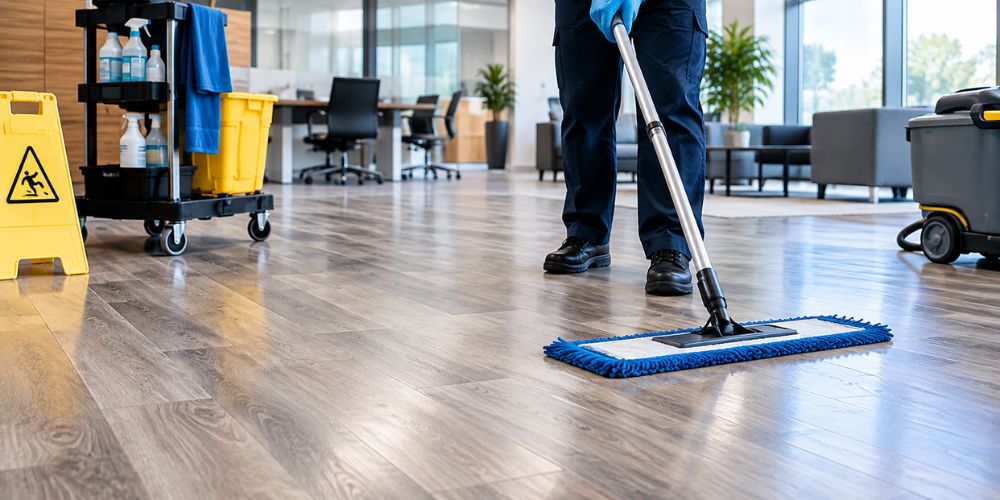
Luxury vinyl tile (LVT) and luxury vinyl plank (LVP) are common in offices, retail environments, healthcare facilities, and other commercial spaces. Their protective wear layers make routine maintenance relatively straightforward, but they still require compatible cleaning products and methods.
Best cleaning methods for LVT and LVP include:
- Regular dust mopping or vacuuming
- Prompt removal of spills
- Damp mopping with an approved cleaner
- Periodic deeper cleaning in high-traffic areas
- Using equipment and pads appropriate for the flooring
Avoid excessive water and harsh chemicals that may affect the flooring’s protective surface.
Unlike traditional VCT, LVT and LVP generally should not automatically be placed on a conventional strip-and-wax maintenance program. Always follow the flooring manufacturer’s recommendations.
3. Tile and Grout Floors
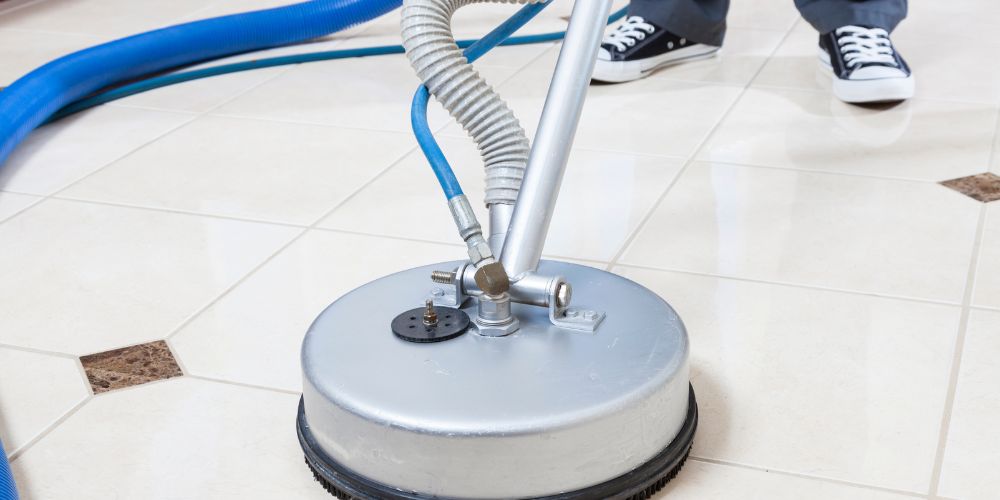
Commercial tile flooring is commonly found in restrooms, entrances, kitchens, break rooms, and other areas exposed to moisture and heavy use. While the tile surface may appear clean, grout lines can hold embedded dirt, spills, and residue.
Best cleaning methods for commercial tile include:
- Routine sweeping or dust removal
- Damp mopping with a suitable cleaner
- Machine scrubbing for heavier soil
- Focused grout cleaning
- Spot treatment for spills and stains
- Periodic deep cleaning
For heavily soiled tile and grout, professional cleaning equipment can provide more effective agitation and soil removal than routine mopping.
What to avoid: Stronger chemicals are not necessarily better. Cleaning products should be compatible with both the tile and grout to avoid surface damage or unnecessary deterioration.
4. Concrete Floors
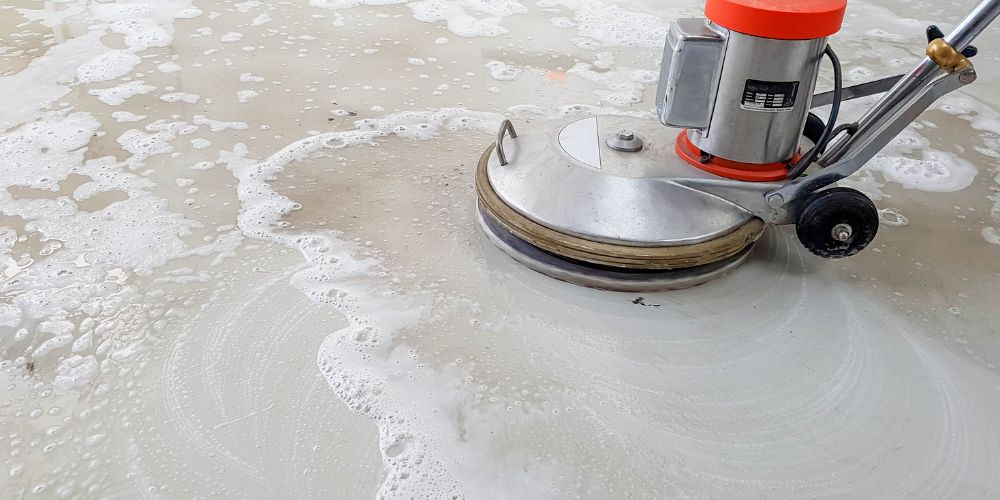
Concrete is frequently used in warehouses, industrial facilities, garages, retail spaces, and other commercial environments. Its cleaning requirements vary depending on whether the surface is unfinished, sealed, polished, or coated.
Best cleaning methods for commercial concrete include:
- Dust mopping or vacuuming
- Damp mopping
- Machine scrubbing
- Appropriate degreasing for oil and grease buildup
- Periodic polishing or resealing when required
Warehouses and industrial facilities may need more frequent machine scrubbing because forklifts, equipment, vehicles, oil, grease, and tracked-in debris can create heavier soil.
For polished or coated concrete, cleaning products, pads, and equipment should be selected carefully to protect the surface.
5. Hardwood Floors
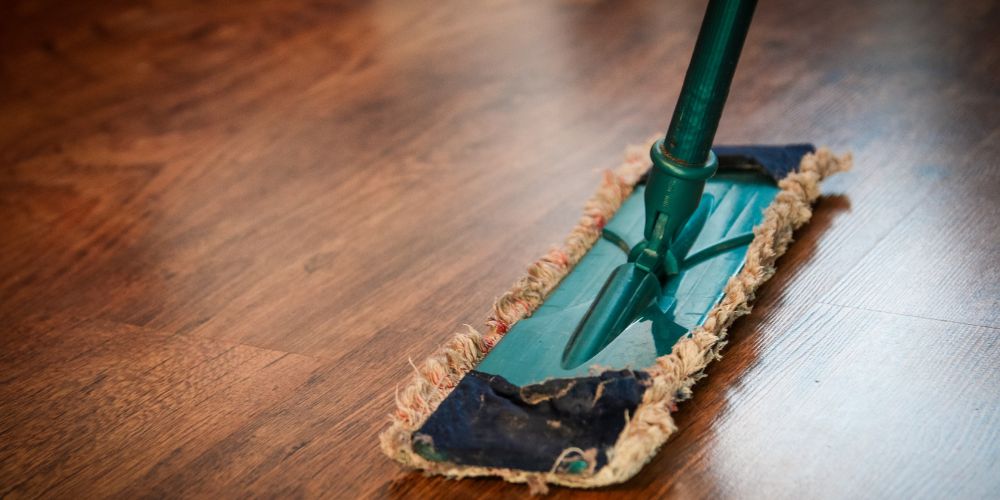
Commercial hardwood floors require careful maintenance because excessive moisture, abrasive dirt, and unsuitable cleaning products can damage the protective finish.
Best cleaning methods for hardwood include:
- Frequent removal of dust and grit
- Dry or microfiber dust mopping
- Prompt cleanup of spills
- Controlled damp cleaning
- Hardwood-compatible cleaning products
- Regular inspection of high-traffic areas
Avoid excessive water, abrasive tools, and harsh chemicals that can affect the wood or its finish.
6. Natural Stone Floors
Natural stone flooring can include marble, granite, limestone, and other stone materials. Because different stones and finishes respond differently to cleaning products, the surface should be identified before selecting a cleaning method.
Best cleaning methods for natural stone include:
- Regular removal of dust and loose debris
- pH-appropriate cleaning products
- Prompt spill cleanup
- Gentle mechanical cleaning when suitable
- Periodic polishing or honing when required
- Sealing when recommended for the specific stone
Avoid acidic or aggressive cleaning products unless they are specifically approved for the surface. Some natural stone can be etched or damaged by unsuitable chemicals.
7. Commercial Carpet and Carpet Tile
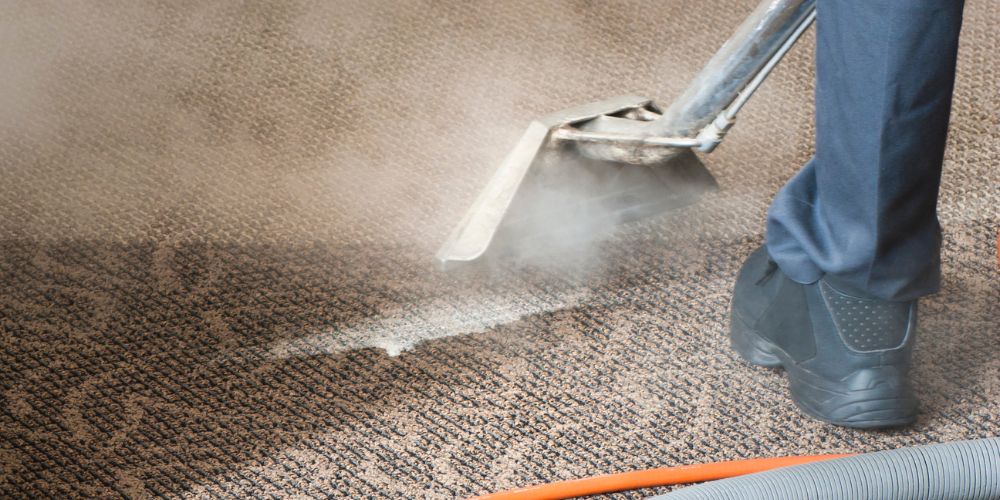
Commercial carpet and carpet tile require a different approach from hard flooring because dirt can become embedded within the fibers.
Best cleaning methods include:
- Frequent vacuuming in high-traffic areas
- Prompt spot treatment
- Routine removal of surface debris
- Interim cleaning when appropriate
- Periodic professional deep cleaning
The appropriate deep-cleaning method depends on the carpet construction, fiber, backing, level of soil, and facility requirements.
8. Rubber Flooring
Rubber flooring is used in some commercial, fitness, healthcare, educational, and recreational environments. Its resilient surface requires cleaning products and equipment that will not unnecessarily affect the material.
Best cleaning methods for rubber flooring include:
- Frequent removal of loose dirt
- Damp mopping with a compatible cleaner
- Prompt spill removal
- Gentle machine cleaning when appropriate
- Regular attention to high-traffic areas
Avoid harsh solvents, aggressive chemicals, and abrasive cleaning methods unless specifically approved for the flooring.
Which Commercial Floor Cleaning Method Works Best?
The best cleaning method depends on the material, finish, level of traffic, and condition of the floor.
| Flooring Type | Recommended Cleaning Approach | Main Maintenance Focus |
| VCT | Dusting, damp mopping, scrubbing, buffing and finish maintenance | Protecting the finish |
| LVT/LVP | Dusting, vacuuming and compatible damp cleaning | Protecting the wear layer |
| Tile & Grout | Mopping, machine scrubbing and grout cleaning | Removing embedded soil |
| Concrete | Dusting, mopping, scrubbing and appropriate degreasing | Managing dirt and heavy soil |
| Hardwood | Dry cleaning and controlled damp cleaning | Limiting moisture and abrasion |
| Natural Stone | Material-specific, pH-appropriate cleaning | Preventing etching and surface damage |
| Carpet | Vacuuming, spot treatment and deep cleaning | Controlling embedded soil |
| Rubber | Gentle routine cleaning and damp maintenance | Protecting the surface |
The table provides a general guide. Flooring manufacturers’ maintenance recommendations should always take priority when selecting cleaning products, equipment, or restorative treatments.
How Often Should Commercial Floors Be Cleaned?
There is no universal commercial floor cleaning schedule. Cleaning frequency depends on the flooring type, traffic level, business activity, soil levels, weather conditions, and the appearance standard required for the facility.
Instead of following the same schedule for every building, businesses should adjust floor maintenance according to traffic, soil load, flooring material, and actual floor condition.
Daily Cleaning
Daily floor care is particularly important in high-traffic areas such as:
- Entrances
- Lobbies
- Hallways
- Restrooms
- Busy work areas
- Areas around food and beverage stations
Routine dust and soil removal helps prevent abrasive particles from accumulating on the surface.
Weekly Cleaning
Weekly maintenance can provide more attention to areas that need more than routine daily cleaning. Depending on the flooring, this may include:
- More thorough machine cleaning
- Spot treatment
- Grout attention
- Edge and corner cleaning
- Inspection of high-traffic areas
- Additional carpet maintenance
Periodic Deep Cleaning
Some flooring requires deeper maintenance at longer intervals. Depending on the material and condition, this may include:
- Machine scrubbing
- Carpet extraction
- Deep tile and grout cleaning
- Buffing or polishing
- Stripping and refinishing
- Floor finish maintenance
- Surface restoration
The schedule should be adjusted according to the condition of the floor rather than following a fixed frequency for every facility.
How to Choose the Right Commercial Floor Cleaning Method
Before selecting a cleaning product or piece of equipment, consider five important factors:
1. Flooring Material
Identify whether the surface is VCT, LVT, tile, concrete, hardwood, natural stone, carpet, rubber, or another material.
2. Surface Finish
Determine whether the floor has a protective finish, sealant, polish, coating, or factory-applied wear layer.
3. Traffic Level
High-traffic entrances, corridors, elevators, and common areas generally require more frequent maintenance than low-use spaces.
4. Type of Soil
Dust and grit require a different approach from grease, food residue, mud, spills, and other heavy buildup.
5. Manufacturer Requirements
Always consider the flooring manufacturer’s recommended cleaning products, equipment, and maintenance procedures before performing specialized floor care.
These five factors can help facility managers build a floor-care routine that addresses actual conditions instead of relying on the same cleaning process throughout the entire building.
Common Commercial Floor Cleaning Mistakes
Using the wrong cleaning method can create unnecessary wear or leave floors looking dirty despite regular maintenance.
Using One Cleaner for Every Floor
Different materials have different chemical tolerances. A product that works on one surface may be unsuitable for another.
Using Excessive Water
Too much moisture can create problems for moisture-sensitive flooring and may affect seams, adhesives, or wood surfaces.
Ignoring Grout
Cleaning the tile surface while leaving heavily soiled grout lines untreated can make the entire floor appear dirty.
Using the Wrong Equipment
Machine pressure, brushes, pads, and cleaning solutions should match the flooring and the type of soil being removed.
Waiting Until the Floor Looks Dirty
Regular removal of dust and grit is important because abrasive particles can contribute to surface wear before heavy dirt becomes visible.
Applying Unnecessary Floor Finish
Not every commercial flooring type requires waxing or refinishing. Floor finishes should only be used when appropriate for the material and existing maintenance system.
Frequently Asked Questions About Commercial Floor Cleaning
How often should commercial floors be professionally cleaned?
Cleaning frequency depends on flooring type, foot traffic, soil levels, facility use, and the manufacturer’s maintenance recommendations.
Can the same cleaner be used on every commercial floor?
No. Cleaning products should be selected based on the flooring material, finish, coating, and manufacturer’s requirements.
Can LVT be waxed like VCT?
Not automatically. Many factory-finished LVT systems are maintained without a conventional strip-and-wax program. Always follow the manufacturer’s instructions.
What is the best way to clean commercial tile and grout?
Routine sweeping and damp mopping can handle everyday soil, while machine scrubbing and focused grout cleaning may be appropriate for heavier buildup.
How do you clean commercial concrete floors?
The method depends on whether the concrete is unfinished, sealed, polished, or coated. Routine dust removal and damp/machine cleaning are common, while heavily soiled areas may require appropriate degreasing.
Commercial Floor Cleaning for Every Flooring Type in Idaho Falls
Different flooring types require different cleaning methods and maintenance. Moonshine Commercial Cleaning provides commercial floor cleaning services in Idaho Falls and surrounding areas, with solutions tailored to the flooring, condition, and needs of your facility.
Contact Moonshine Commercial Cleaning for reliable commercial floor cleaning services tailored to your facility’s flooring and maintenance needs.
