

Maintaining a clean, safe, and professional commercial environment is essential for every business. Whether it is an office building, healthcare facility, retail store, educational institution, or industrial workspace, cleanliness directly impacts employee productivity, workplace safety, and customer perception.
However, commercial cleaning is far more complex than standard residential cleaning. Businesses deal with large facilities, heavy daily foot traffic, diverse surface materials, strict sanitation requirements, and limited cleaning windows. These factors create operational challenges that require strategic planning, trained professionals, and specialized equipment.
Without an effective cleaning strategy, these challenges can quickly lead to hygiene issues, workplace hazards, and a negative impression on clients and employees.
In this guide, we explore the top 5 commercial cleaning challenges businesses face and practical solutions to overcome them while maintaining high sanitation standards and operational efficiency.
Why Commercial Cleaning Is More Complex Than Standard Cleaning
Commercial cleaning involves more than simply removing visible dirt. It requires a structured approach that combines sanitation protocols, facility management practices, and professional cleaning methods.
Several factors contribute to the complexity of commercial cleaning environments:
• Large facility sizes that require coordinated cleaning plans
• High-traffic zones that accumulate dirt rapidly
• Different surface materials that require specialized care
• Health and safety regulations that must be followed
• Limited cleaning time due to business operations
Because of these factors, commercial cleaning must be handled strategically to maintain both hygiene and efficiency.
1. Maintaining Consistent Cleaning Quality Across Large Facilities
One of the most common challenges in commercial cleaning is maintaining consistent cleaning quality across multiple spaces or large facilities. Office buildings, warehouses, schools, and healthcare centers often contain numerous rooms, floors, and departments that require regular cleaning.
Without standardized procedures, inconsistencies can occur such as missed areas, uneven cleaning results, or varying cleaning practices between staff members.
Inconsistent cleaning can negatively impact workplace appearance, hygiene levels, and employee satisfaction.
How to Overcome
Businesses can improve consistency by implementing structured cleaning systems that ensure all areas receive equal attention.
Effective solutions include:
• Detailed cleaning checklists for every space
• Standard operating procedures for cleaning tasks
• Routine inspections and quality control audits
• Scheduled deep cleaning cycles for critical areas
Professional commercial cleaning providers often use systematic cleaning programs and trained teams to ensure consistent results across large facilities.
2. Preventing the Spread of Germs and Maintaining Workplace Hygiene
Commercial buildings contain numerous high-touch surfaces such as door handles, elevator buttons, desks, shared equipment, restrooms, and breakrooms. These surfaces can quickly become breeding grounds for bacteria and viruses if they are not cleaned and disinfected properly.
Studies have shown that office surfaces can harbor significant amounts of bacteria, increasing the risk of illness spreading among employees. Poor sanitation can lead to increased absenteeism, reduced productivity, and potential health risks.
Maintaining proper hygiene is especially critical in environments such as healthcare facilities, educational institutions, and food service businesses.
How to Overcome
Effective germ control requires a proactive sanitation strategy that focuses on both routine cleaning and targeted disinfection.
Key solutions include:
• Frequent disinfection of high-touch surfaces
• Use of hospital-grade disinfectants
• Proper restroom sanitation protocols
• Routine cleaning of shared workspaces and equipment
• Use of microfiber cleaning systems to trap contaminants
Professional commercial cleaning teams follow strict sanitation procedures to reduce the spread of harmful bacteria and maintain healthier work environments.
3. Managing High-Traffic Areas and Continuous Dirt Accumulation
Areas such as building entrances, hallways, elevators, lobbies, and restrooms experience constant foot traffic throughout the day. These spaces accumulate dust, dirt, moisture, and debris at a much faster rate than other areas of the facility.
Without frequent cleaning, high-traffic zones can quickly become dirty, slippery, or unsafe. This not only affects the appearance of the business but can also create potential safety hazards for employees and visitors.
Maintaining cleanliness in these busy areas requires strategic cleaning schedules and specialized floor care practices.
How to Overcome
Businesses can maintain high-traffic areas effectively by implementing preventative and routine cleaning measures.
Effective solutions include:
• Frequent cleaning throughout the day for high-traffic zones
• Use of entrance mats to reduce dirt entering the building
• Regular floor maintenance such as vacuuming, mopping, and polishing
• Deep cleaning of carpets and hard floors to remove embedded dirt
Proper floor care programs help maintain cleanliness while also extending the lifespan of flooring materials.
4. Cleaning Different Surface Materials Without Causing Damage
Commercial facilities contain a wide variety of surfaces, including hardwood floors, tile, carpet, stainless steel, glass, granite, and delicate finishes. Each material requires specific cleaning techniques and compatible cleaning products.
Using incorrect chemicals or cleaning methods can lead to permanent damage such as discoloration, corrosion, scratching, or deterioration of surfaces.
For example:
• Harsh chemicals can damage natural stone or hardwood floors
• Abrasive tools can scratch stainless steel or glass
• Excess moisture can warp wood surfaces
Because of these risks, cleaning teams must understand how to properly treat each material type.
How to Overcome
The best way to protect facility surfaces is to use specialized cleaning products and equipment designed for each material.
Effective approaches include:
• Surface-specific cleaning products
• Microfiber cloth systems that prevent scratching
• Professional floor cleaning equipment
• Proper dilution and use of cleaning chemicals
Trained commercial cleaners understand how to maintain delicate surfaces while preserving their durability and appearance.
Also Read: How to Clean Hardwood Floors: A Comprehensive Guide
5. Scheduling Cleaning Without Interrupting Business Operations
Many commercial facilities operate during standard business hours, making it difficult to perform thorough cleaning without disrupting employees, customers, or daily activities.
Cleaning during busy hours may create safety risks such as wet floors, noise disturbances, or restricted workspace access. Businesses must therefore balance cleanliness with operational efficiency.
How to Overcome
A flexible and well-planned cleaning schedule is essential for maintaining a clean facility without interrupting daily operations.
Businesses can improve efficiency by:
• Scheduling cleaning during evenings or overnight hours
• Implementing early-morning maintenance cleaning
• Creating customized cleaning schedules based on business activity
• Prioritizing essential areas during operational hours
Professional commercial cleaning companies typically offer flexible service plans that allow businesses to maintain cleanliness without interfering with productivity.
Best Practices for Overcoming Commercial Cleaning Challenges
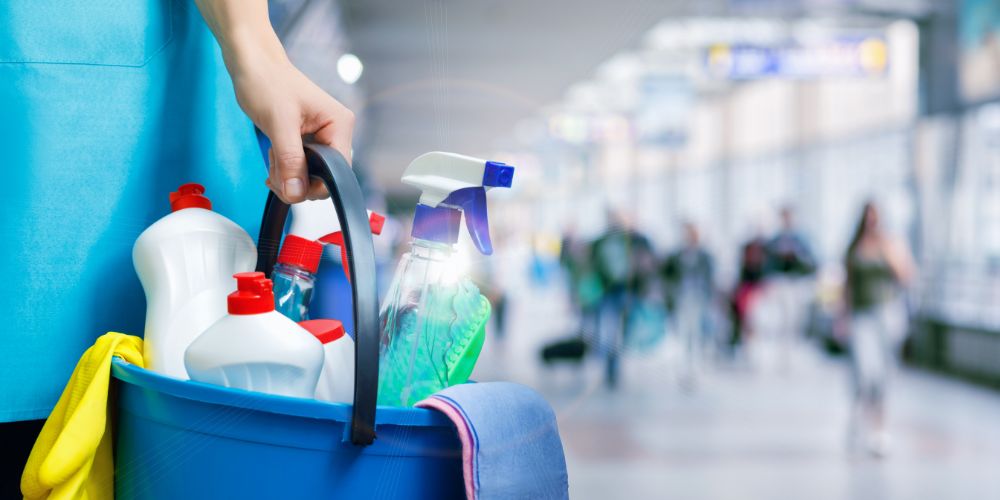
Successfully managing commercial cleaning challenges requires a combination of professional expertise, structured processes, and modern cleaning technologies.
Businesses can maintain high cleaning standards by following several best practices:
• Establish consistent cleaning protocols and inspection routines
• Use environmentally friendly and effective cleaning products
• Invest in advanced cleaning equipment and tools
• Train cleaning staff in proper sanitation procedures
• Implement routine maintenance and deep cleaning programs
These practices ensure that businesses maintain a clean, safe, and professional working environment.
The Value of Professional Commercial Cleaning Services
Managing the complexities of commercial cleaning internally can be challenging for many businesses. Professional cleaning companies provide expertise, equipment, and trained staff to handle these tasks efficiently.
Professional commercial cleaning services offer several advantages:
• Consistent cleaning quality
• Specialized cleaning equipment and products
• Trained staff familiar with industry standards
• Flexible cleaning schedules
• Improved workplace hygiene and safety
By partnering with experienced cleaning professionals, businesses can focus on their operations while ensuring their facilities remain clean and welcoming.
Conclusion
Commercial cleaning presents several challenges, from maintaining consistent cleaning quality and controlling germs to managing high-traffic areas and protecting different surfaces. Addressing these challenges requires the right cleaning strategies, proper equipment, and experienced professionals.
At Moonshine Commercial Cleaning, we provide reliable commercial cleaning solutions designed to help businesses maintain clean, safe, and professional environments. With the right approach and expert support, organizations can ensure their facilities remain healthy, welcoming, and well-maintained.
